What the Tarahumara Taught the World About Running

The People Who Run Hundreds of Miles — For Fun
Deep in the Copper Canyon of Chihuahua, Mexico, lives a group of indigenous people who have been running extraordinary distances for centuries. The Tarahumara — who call themselves the Rarámuri, meaning “those who run fast” — don’t run to lose weight, hit a step count, or win a medal. They run because it’s part of who they are.
Who Are the Rarámuri?
The Tarahumara have lived in the remote canyons of Chihuahua, Mexico for thousands of years. The terrain is brutal — steep, rocky, and unforgiving. Running was how they hunted, communicated between villages, and held ceremony. It wasn’t exercise. It was life.
How They Run
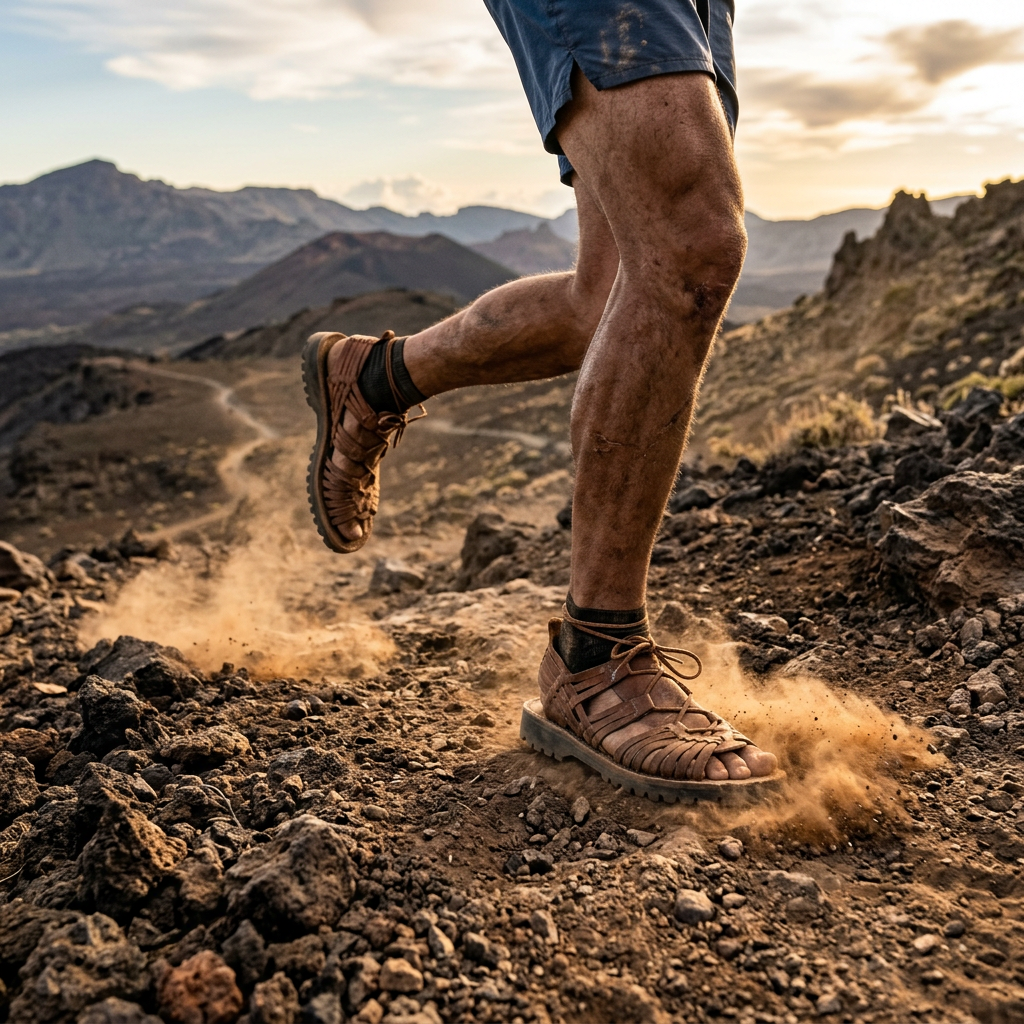
Most Tarahumara wear huaraches — thin sandals cut from leather or recycled tire rubber, sometimes just 5mm thick. Some run completely barefoot. Their form is the opposite of what most running shoe ads sell you: short strides, forefoot landing, upright posture, and relaxed effort. No motion control. No gel cushioning. No $200 price tag.
Why They Can Outrun Trained Athletes
They start young. Running is communal, not competitive. Their diet is simple — chia seeds, corn, beans, and water. But the biggest difference may be mindset: running is joy and ceremony, not a performance to be optimized. It is common for Tarahumara elders in their 50s and 60s to outlast athletes half their age in ultra-distance events.
The Book That Changed Everything
In 2009, journalist Christopher McDougall published “Born to Run” — a book that introduced the Tarahumara to the world and sparked the global minimalist running movement. It raised a simple but uncomfortable question: if these people can run hundreds of miles on thin sandals, what are all these engineered shoes actually doing for us?
What Modern Runners Can Learn
You don’t need expensive gear to run well. Natural form — shorter stride, forefoot contact, relaxed shoulders — is available to anyone. Running for joy instead of metrics changes everything. The Tarahumara don’t track their pace. They just run.
Is Barefoot Running Safe?
Honest answer: it depends — and the transition matters more than the destination.
Benefits: stronger foot and calf muscles, improved natural running form, reduced knee impact over time.
Risks: if you’ve worn cushioned shoes your whole life, your feet are deconditioned. Jumping straight to barefoot on pavement can cause stress fractures and tendon injuries. Go slow — alternate your regular shoes with minimalist shoes over 2 to 3 months.
A Budget-Friendly Minimalist Shoe Option
If you want to experiment without going fully barefoot, minimalist shoes (~$80–$120 CAD) are a common entry point. With a thin sole, wide toe box, and zero drop, they approximate barefoot mechanics while still providing a layer of protection. Many models are available for men and women, and they can be a practical option for budget-conscious experimentation.
The Bigger Lesson
The Tarahumara don’t run to fix themselves. They run to connect — to the land, to each other, to something bigger than a fitness goal. There’s something worth borrowing in that. Running doesn’t have to be complicated, expensive, or painful. Sometimes the most powerful thing you can do is take off the gear, slow down, and just move.
Have you ever tried barefoot or minimalist running? Would you? Share your experience in the comments below.