Retirement When Money Isn’t the Problem: How to Stay Active and Healthy

If your pension and savings are in good shape, your biggest retirement risk isn’t running out of money. It’s running out of health, purpose, and energy. This guide focuses on how to keep moving, thinking clearly, and feeling useful in your 60s, 70s, and beyond.
1. Treat Your Body Like an Investment
You’ve already done the hard work of building your financial security. Now the compounding needs to happen in your health. Small, steady actions matter more than heroic efforts.
- Move every day: Aim for at least 30 minutes of moderate activity most days. Walking, indoor circuits in bad weather, or light cycling all count.
- Build strength twice a week: Use resistance bands, light dumbbells, or bodyweight exercises to maintain muscle and balance. Look for beginner strength classes at your local community centre or gym.
- Protect your balance: Practice standing on one leg near a counter, do heel-to-toe walks, or try beginner tai chi. Falls are one of the biggest threats to independence.
- Schedule checkups like appointments with your advisor: Stay on top of screenings, vaccines, and medications with your doctor or primary health provider.
2. Build a Weekly Activity Plan (Not a Bucket List)
Big travel and one-off adventures are great, but your health is shaped by what you do most weeks, not what you do once a year.
- Anchor your week: Choose 3–5 fixed activities: a walking group, a swim day, a pickleball session, a yoga class, or a fitness program at the local YMCA or community centre.
- Layer in “active chores”: Do your own errands on foot where possible, take the stairs, and use light yard work as part of your movement quota.
- Have a bad-weather plan: Use indoor tracks, malls, or home workout videos for icy or extreme-weather days.
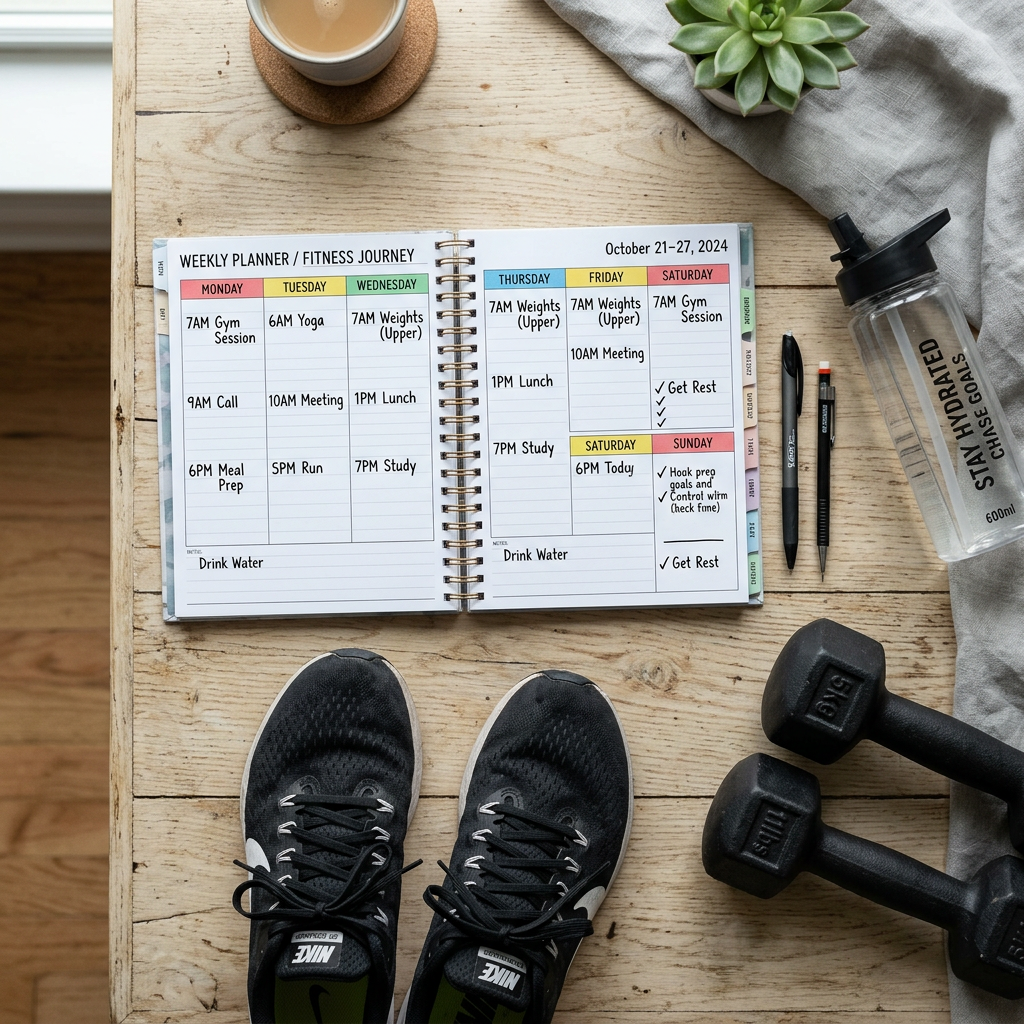
- Write it down: Put your weekly plan on the fridge or in your calendar. Treat it like any other non‑negotiable commitment.
3. Use Your Financial Freedom to Buy Health, Not Just Comfort
Being financially comfortable means you can pay for tools and support that keep you independent longer.
- Hire help strategically: If heavy housework drains you, pay for cleaning so you can spend your energy on walking, swimming, or strength training instead.
- Invest in equipment you’ll actually use: Quality walking shoes, hiking poles, a stationary bike, or a gym membership can all be good value if they remove friction.
- Work with professionals: Consider a session with a physiotherapist, kinesiologist, or certified trainer who has experience with older adults.
- Use benefits: Many retiree health plans cover part of physio, massage, or exercise programs—don’t leave that value on the table.
4. Stay Mentally Sharp and Emotionally Grounded
Retirement can quietly erode your mental sharpness and mood if your days lose structure and challenge.
- Give your brain real work: Take a course at a local college or through online platforms, learn a language, join a book club, or learn an instrument.
- Limit passive screen time: TV and endless scrolling are easy but offer little return. Cap them and replace some of that time with reading, puzzles, or social activities.
- Watch for mood changes: If you notice ongoing low mood, irritability, or loss of interest, talk to your doctor. Depression is common and treatable at any age.
- Keep a basic daily routine: Regular wake times, meals, and activities help stabilize sleep and mood.
5. Stay Connected: Don’t Let Your World Shrink
Social isolation is as harmful to health as smoking. With work off your plate, you need new ways to connect.
- Join groups, not just events: Walking clubs, faith communities, choirs, sports leagues, hobby groups, or cultural associations give you repeated contact with the same people.
- Volunteer with intention: Choose causes where your skills matter—mentoring younger professionals, supporting newcomers or younger families, helping at food banks, or serving on boards.
- Use technology on your terms: Learn basic video calling and messaging so you can stay in touch with distant family without feeling overwhelmed.
- Protect key relationships: Schedule regular time with your partner, close friends, and family. Don’t assume connection will “just happen.”
6. Design a Lifestyle That Fits Your Climate
Your local weather is a reality, not an excuse. Plan for the seasons when activity and mood tend to dip.
- Cold or rainy seasons: Use indoor pools, walking tracks, rinks, gyms, and covered shopping areas. Consider activities like snowshoeing or cross-country skiing if your joints allow and conditions are safe. Invest in proper footwear and outerwear.
- Mild seasons: Use pleasant weather for walking, light hiking, gardening, and local travel before roads or paths get too busy or conditions become extreme.
- Hot seasons: Prioritize morning and evening activity when it’s cooler. Look for shaded trails, parks, and waterfront paths.
- Travel smart: If you travel frequently or spend part of the year elsewhere, choose destinations and accommodations that support walking and movement, not just lounging.
7. Make “Future You” the Client
You spent decades working for your future financial self. Now apply the same discipline to your health.
- Run an annual “health review”: Once a year, review your activity, sleep, diet, social life, and checkups. Adjust just as you would a financial plan.
- Track what matters: Simple logs of steps, workouts, or mood can show trends before problems grow.
- Plan for setbacks: Illness, injury, or caregiving responsibilities will interrupt your routine. When that happens, restart with smaller goals instead of quitting.
Where to Start This Week
Don’t try to overhaul everything. Pick one or two actions you can implement now.
- Book one medical appointment you’ve been postponing.
- Schedule three walks in your calendar for the next seven days.
- Contact one local community centre or gym about programs for older adults.
- Reach out to a friend or family member and set a regular time to connect.
Your money has bought you freedom, and staying active and healthy is how you truly make the most of it. I love traveling with my camper; every trip teaches me something new and reveals what makes each town unique—why people live the way they do, and what makes them so happy to call that place home. Life becomes a fascinating journey when you’re out seeing new places and meeting different people.
When I stay home, though, I’m the kind of person who just gets pulled into media—watching TV, scrolling the internet, and eating and eating. Without those things, I often feel like there isn’t much else for me to do. But when I step into the forest and breathe in the scent of wild plants and flowers, everything slows down. Those quiet moments in nature relax me and make me feel genuinely happy.