The Retirement Nobody Talks About: How to Build a Life That Feels Like Yours

Most retirement advice tells you to join a club, take a walk, and stay positive. That’s not a life — that’s a waiting room. If your bills are covered and you have real freedom for the first time, the question isn’t how to stay busy. It’s how to finally build something that’s entirely yours.
Stop Filling Time. Start Designing a Life.
The conventional retirement playbook is built around one silent fear: boredom. So it throws activities at you — fitness classes, hobby groups, volunteer shifts — not because they’re meaningful, but because they fill a calendar. That’s not design. That’s distraction dressed up as purpose.
Real retirement design starts with a harder question: What would I build if no one was watching and no one was paying me? That answer — whatever it is — is where your next chapter actually begins.
1. Run a Zero-Pressure Business — For the Craft, Not the Cash
You spent decades building skills, managing people, reading markets, and solving problems under pressure. Now you can use all of that — without the pressure. A retirement business isn’t about income. It’s about staying sharp, staying relevant, and doing something you actually care about on your own terms.
It could be a small consulting practice where you take one or two clients a year. A weekend pop-up that sells something you make. A niche online store built around something you know better than most people ever will. The point isn’t profit — it’s craft. The moment it stops being interesting, you close it. No investors. No obligations. Just you deciding what gets your time.
What makes this different from a hobby
- It has standards. You’re not just puttering — you’re building something with real quality, even if no one’s grading it.
- It teaches you something new. Whether it’s pricing, branding, or a new platform — you’re always learning.
- It gives you the right kind of stress. The productive kind — the kind that makes you feel alive, not burned out.
2. Slow Travel — Live Somewhere Else for a Month at a Time
Tourism is exhausting. Two weeks of airports, packed itineraries, and overpriced restaurants — and you come home needing a holiday from your holiday. Slow travel is the opposite. Instead of seeing twelve cities in ten days, you pick one place and stay for three to six weeks. You rent an apartment, shop at local markets, learn the neighbourhood, and actually live there.
This is something only retirement makes fully possible. No one else has six weeks to spend in Lisbon, Chiang Mai, or a small town in southern France. And with a pension or stable retirement income, the economics often work in your favour — a monthly apartment rental in many parts of the world costs less than a week in a hotel.
How to do it without it becoming complicated
- Pick one region per year. Go deep rather than wide. One country, one culture, one language — even if you only learn twenty words of it.
- Use platforms built for longer stays. Airbnb monthly discounts, VRBO, or furnished apartment sites in your destination city.
- Travel light, deliberately. Minimalism and slow travel are natural partners. A carry-on and a backpack is enough for a month if you plan it right.
3. Downsize by Choice — Not Because You Have To
Most people downsize in retirement out of necessity — the house is too big, the stairs are getting harder, the heating bill is insane. But what if you downsized before any of that, deliberately, as an act of freedom? Trading a large home for a smaller, cheaper one isn’t a step down. It’s a strategic move that frees up capital, cuts your expenses, and removes a hundred small maintenance headaches from your life.
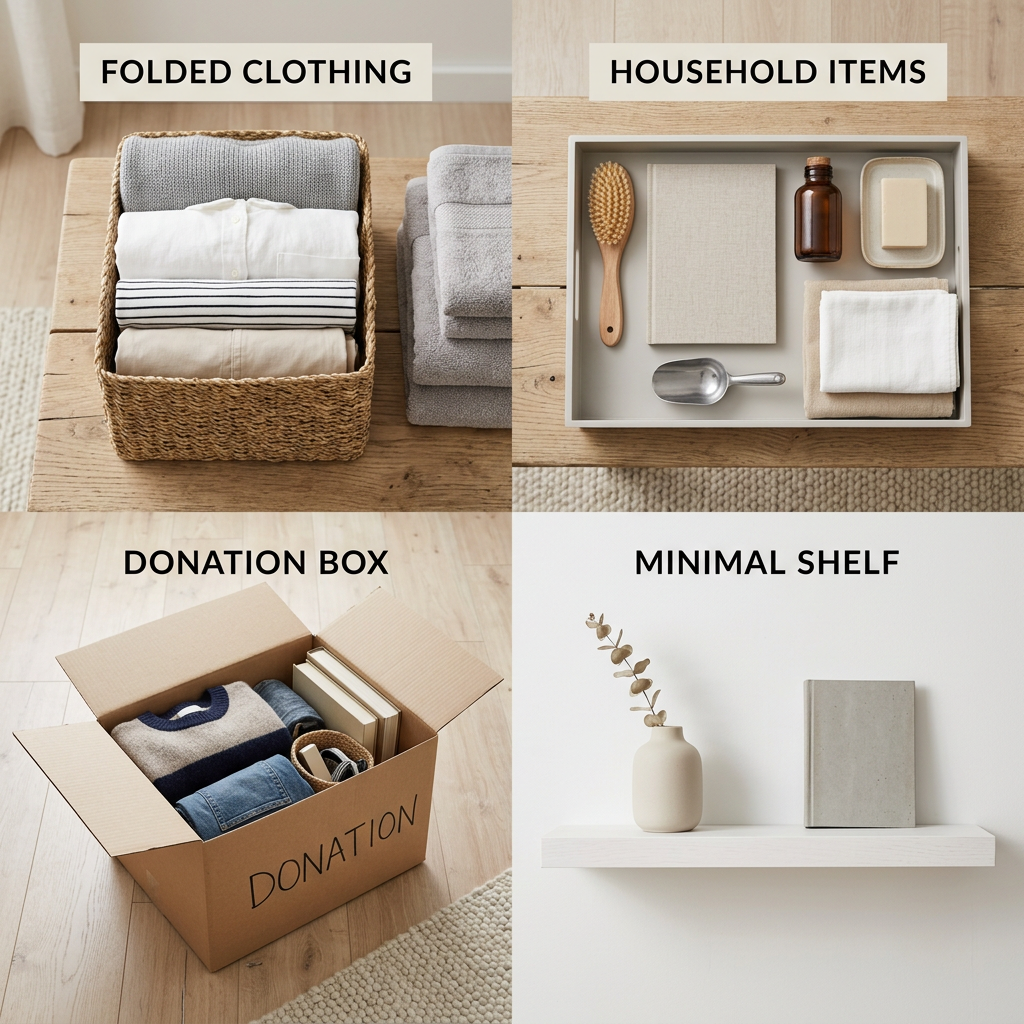
Minimalism in retirement isn’t about deprivation — it’s about optionality. Every dollar you’re not spending on a space you don’t use is a dollar that buys you time, flexibility, or experiences. A smaller home often means a closer neighbourhood, lower property taxes, and more money to spend on what you actually care about.
The real question to ask
Not “what can I afford to keep?” — but “what do I actually need to live well?” Most people who answer that honestly discover the list is much shorter than expected. And shorter lists make for lighter, freer lives.
4. Become a Knowledge Publisher — Share What Took You Decades to Learn
You have knowledge that took thirty years and a lot of hard lessons to accumulate. Most of it exists only in your head, and the world has no idea it’s there. That’s a waste. A blog, a newsletter, or a simple YouTube channel is one of the most underrated things a retired professional can do — not to become famous, but to create something that outlasts you and helps people who are exactly where you were twenty years ago.
This isn’t content creation for its own sake. It’s structured thinking. Writing forces you to articulate what you actually know, challenge your own assumptions, and communicate clearly. These are among the most cognitively demanding things a person can do — far more demanding than a crossword puzzle.
Where to start without overthinking it
- Pick one specific topic you know better than most people — operations, negotiation, hospitality, a particular industry, a particular city.
- Write or record one piece per week. Not a masterpiece — just something true and useful. Consistency matters more than polish.
- Use AI tools to help you shape your ideas. Tools like ChatGPT or Claude can help you outline, edit, and find the right words — without replacing your voice or your knowledge.
5. Build a Legacy Project — Something That Exists After You’re Gone
Most people think of legacy as something that happens automatically — your children, your reputation, maybe a donation in your name. But you can build it deliberately, right now, while you’re sharp and motivated and have time to do it well. A legacy project is anything you create that carries meaning beyond your own lifespan: a book, an archive of your industry knowledge, a mentorship program you design and hand off, a community resource that keeps running without you.
The difference between a legacy project and a hobby is intention. A hobby exists for you. A legacy project exists for someone else — even if that someone else is a version of the world that’s ten years from now.
Legacy doesn’t require a grand gesture
- Document your professional history in depth — the real lessons, the mistakes, the pivots. Future professionals in your industry would pay for that perspective.
- Build a resource that didn’t exist when you were starting out — the guide, the framework, the honest breakdown you wish someone had handed you.
- Invest in one person seriously. Not mentoring in the abstract — choose one person, spend real time with them, and help them go further, faster.
Retirement Is the First Time You Belong Entirely to Yourself
For most of your life, your time belonged to someone else — an employer, a client, a mortgage, a business. Now it doesn’t. That’s not a problem to solve with a schedule. It’s a rare kind of freedom that most people never fully claim.
Don’t spend it waiting to feel busy. Pick one unconventional idea from this list — the zero-pressure business, the slow travel plan, the legacy project — and give it three months of real attention. Not dabbling. Real attention.
The conventional retirement is forgettable by design. Yours doesn’t have to be.