When Your Paycheque Buys Less Life

This week’s July 2026 MNP Consumer Debt Index put numbers to what you already feel: your paycheque hasn’t changed much, but your life has quietly shrunk. Trips get shorter. Dinners out disappear. Subscriptions sneak up. You’re paying the same money and getting less life back.
MNP calls it “lifestyle shrinkflation.” Minimalists have been training for this for years — on purpose.
What Lifestyle Shrinkflation Really Is
Think of shrinkflation at the grocery store: same box, less cereal inside. Lifestyle shrinkflation is the same thing, but with your days.
According to MNP, 3 in 5 Canadians say at least half their paycheque is already spoken for before it even lands. Rent, mortgage, car payments, debt, subscriptions, bills that creep up every year. By the time your pay hits, the fun part of your life has already been sold off.
So you quietly trim back:
- Vacations go from a week, to a weekend, to “maybe next year.”
- Takeout, concerts, and hockey games become “special occasions” that rarely happen.
- Upgrades turn into repairs, then “we’ll live with it for now.”
- You say yes to every bill increase, then say no to yourself.
That’s lifestyle shrinkflation: less life for the same paycheque.
Minimalism: Shrinking on Purpose, Not in Defeat
I’ve run a hotel in British Columbia for 17 years. I watch this play out in real time. Shorter stays. Fewer extras. Guests telling me, “We’re keeping it simple this year.” That’s one way to respond: let the economy shrink your life for you.
There’s another way. Minimalism says: I’ll shrink my lifestyle on purpose, in the places that don’t matter, so I can protect what does.
When you choose what to cut, you’re not failing. You’re running your life like a well-managed hotel: no wasted rooms, no dead subscriptions, no money leaking out of forgotten corners.
Four Minimalist Moves You Can Make Today
Minimalism doesn’t start with buying clear bins. It starts with cutting silent costs. Here’s how to get ahead of lifestyle shrinkflation:
- Audit and cut subscriptions. Pull your last three bank and credit card statements. Circle every subscription. Keep the two you actually use every week. Cancel the rest. That’s lifestyle back, every month.
- Simplify meals. Pick 5–7 basic, repeatable dinners and run them on rotation. You’ll waste less food, make fewer impulse grocery runs, and avoid “we’re too tired, let’s order in” spending.
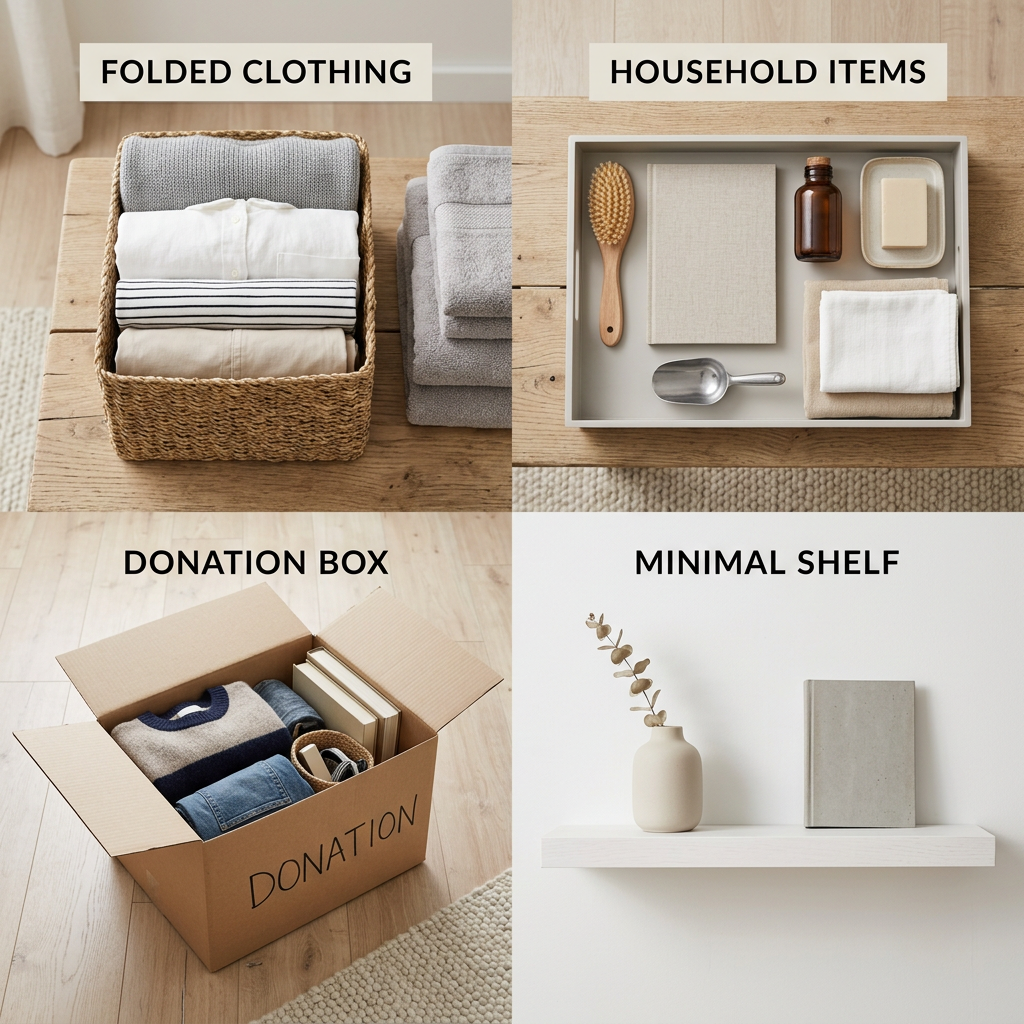
- Declutter and sell. Walk one room with a laundry basket. Anything you haven’t used in a year goes in. List the decent stuff for sale. Use that cash to build a tiny buffer instead of another gadget.
- Kill auto-renewals. Turn off auto-renew on anything that isn’t housing, heat, or insurance. Force every other expense to ask for permission once a year. If you wouldn’t choose it again today, it doesn’t stay.
These are small moves, but they change the direction: you’re choosing what shrinks instead of being squeezed from the outside.
Doing More With Less
I’ve spent over 40 years learning how to do more with less money, less space, and less waste — at home and in a business that only survives if the numbers work.
Jay’s Playbook exists for this exact moment: when lifestyle shrinkflation is real, the pre-spent paycheque is normal, and you need practical, Canadian minimalism that doesn’t feel like giving up on your life.
If you’re ready to stop watching your life quietly shrink, and start cutting on purpose, that’s what we do inside the newsletter.