Edition #2

Podcast Episodes:
This experience is part of why I believe in keeping things lean, never over-depending on one thing, and building resilience into everything I own or run.
The Anatomy of a Collapse: From Bakery Dreams to Hard Lessons
In 1988, I opened a franchise of Crown Bakery. At the time, it was the absolute #1 brand in South Korea. Bread was a luxury, a special treat, and my store was the beating heart of our town.
Two years later, that heart stopped.
I didn’t fail because I lacked effort; I failed because I was part of a system that lacked agility and legal protection. Looking back at my experience alongside the eventual total collapse of the Crown Bakery brand in 2013, I see a pattern.
Whether you are a local entrepreneur or a national conglomerate, the forces that dismantle a business are often the same.
The Losing Points: Why We Couldn’t Survive
When we look at the decline of a giant like Crown Bakery and my own small-town shop, the failures share a common DNA.
| Losing Point | The Personal Lesson | The Corporate Reality |
| Rigidity | Zero creative control meant I couldn’t adapt to local needs. | Crown refused to move beyond buttercream, ignoring modern health trends. |
| Infrastructure | I had no legal protection against landlord redevelopment. | The brand lacked the capital and will to modernize store designs. |
| Dependency | When HQ couldn’t approve a new location, I was powerless. | A centralized, frozen-dough model failed to compete with agile rivals. |
The Saving Points: Building a Business That Lasts
My experience building a business in Canada has taught me that we don’t have to be victims of circumstance. We can build “safety” into our business model before we even open our doors.
1. The “Subject Removal” Safeguard
In Korea, I signed a lease that left me vulnerable. In Canada, I’ve learned the value of the Condition Period. Before you commit, you must investigate the property’s future. If the landlord has redevelopment plans, you need to know. If the terms aren’t airtight, you must have the legal right to walk away.
2. Decouple Your Success from Rigid Dependency
I was entirely dependent on headquarters for my product, policy, and site approval. If a franchise model doesn’t allow you to pivot, you are trapped. Never let your business identity become so fragile that it shatters when your supplier stops innovating.
3. Move Transactions into the Light
We used to rely on “handshakes” and standard templates. We didn’t want to “bother” lawyers with fees. That was an expensive mistake. Using secure, lawyer-managed trust accounts and formal legal verification isn’t a cost—it is an investment in your peace of mind.
The New Rules: How I Would Build It Today
If I were starting over, I wouldn’t seek the “biggest” brand. I would build a resilient brand. Here is the blueprint for a business that survives the storms:
1. Location is the Foundation (The 10-Year Rule)
In my early days, the building was a trap. Today, I look for a space that is secured for at least 10 years.
- The Parking Factor: Never underestimate the power of space. A large, accessible parking lot is more than just convenience—it is an invitation for customers to stay longer, relax, and spend more.
- Low Rent as Survival: Low overhead is your biggest competitive advantage. It allows you to survive lean months and keeps your product pricing accessible for the neighborhood.
2. The “Mom & Pop” Hybrid Model
Instead of being a slave to a corporate menu, I would embrace the “Mom & Pop” specialty approach.
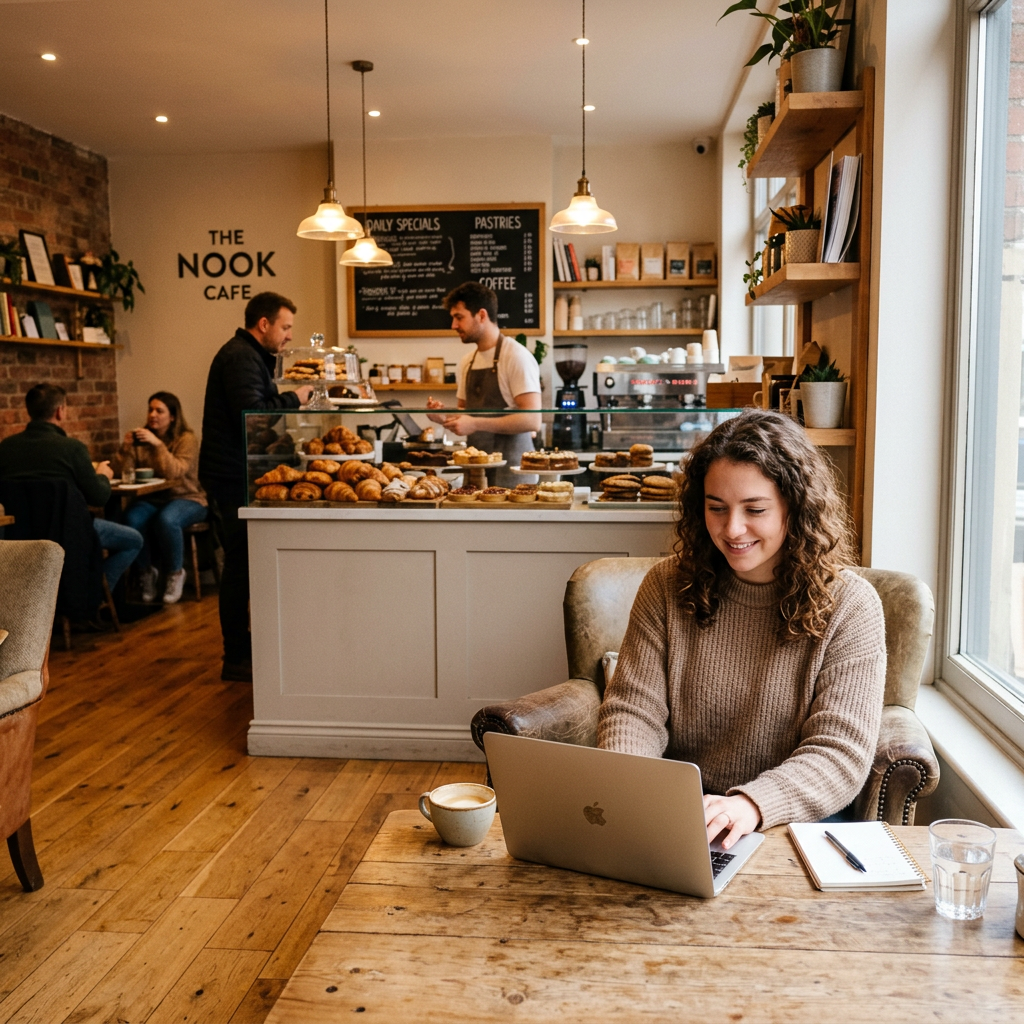
- The Specialty Hook: Combine a high-quality specialty bakery café with unique, localized offerings that a large franchise could never replicate. The café isn’t just for profit; it is the “lure” that turns your shop into a community hub.
- Creative Freedom: Owning your equipment means you are not tied to a supplier. You can pivot your menu based on what the neighborhood actually wants, not what a corporate office dictates.
3. From “Hard Advertising” to “Digital Connection”
Back in 1988, you were invisible unless you had a massive sign. Today, social media is your megaphone.
- Zero-Cost Marketing: Use social media to tell your story, show the behind-the-scenes, and build a relationship with your customers. You don’t need a billboard; you need an audience that knows your face and trusts your quality.
- The Power of Story: People don’t just buy coffee or bread; they buy the person behind it. Sharing your journey makes your brand authentic in a way no franchise ever could.
My “Plan B” Checklist for the Modern Entrepreneur
If you are looking to start your own venture, here is the litmus test I use today:
- [ ] The 10-Year Lock: Is the lease secured against redevelopment? (Always check the zoning history).
- [ ] The Overhead Floor: Is the rent low enough that I can break even during the slow seasons?
- [ ] The Parking Advantage: Is it easy for my customers to arrive and feel relaxed?
- [ ] The Digital Bridge: Do I have an SNS strategy to reach customers without spending a fortune on traditional ads?
- [ ] The “Own-Brand” Freedom: Does this model allow me to change, adapt, and innovate as trends shift?
The Lesson: Don’t build for the “era”—build for the “individual.” When you own your equipment, your brand, and your digital community, you aren’t just renting a space in a building; you are owning a space in your customers’ lives. That is the only true form of job security.